
Lifting heavy objects can be a daunting task, especially in industrial settings where safety is paramount. One of the tools that significantly enhance the ability to lift and move heavy loads is lifting straps with hooks. These straps offer a secure and efficient way to handle various loads, from construction materials to heavy machinery. However, with great utility comes the responsibility of ensuring safety during their use. This article will explore how to safely use lifting straps with hooks, providing essential guidelines, best practices, and tips for maximizing safety and efficiency.
Understanding Lifting Straps with Hooks
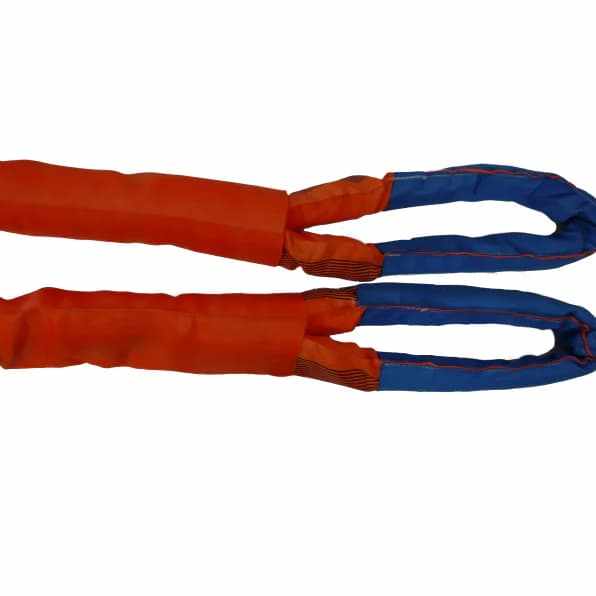
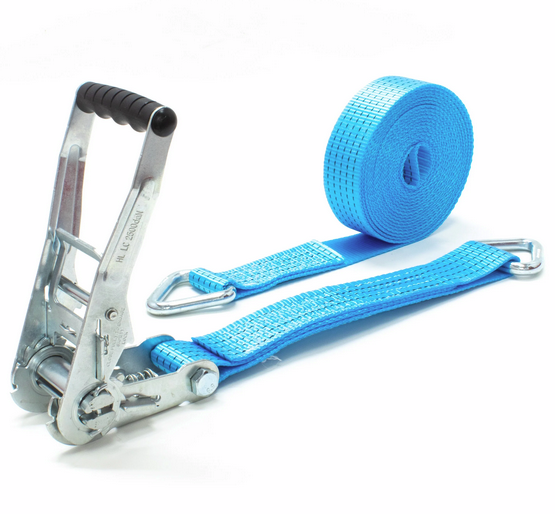
Lifting straps with hooks are designed to facilitate the lifting and moving of heavy objects. The straps are typically made from durable materials such as nylon or polyester, which can withstand significant tensile strength. The hooks, often made of steel, are attached to the ends of the straps, providing a secure connection point for various lifting equipment, such as cranes, forklifts, or hoists.
These lifting straps come in various sizes and load capacities, allowing users to choose the right type for their specific needs. The versatility of lifting straps with hooks makes them suitable for a wide range of applications, including construction, warehouse operations, and moving heavy equipment. However, understanding how to use them safely is critical to prevent accidents and injuries.
The Importance of Safety in Lifting Operations
Safety should always be the top priority when lifting heavy objects. Improper use of lifting straps with hooks can lead to serious accidents, including dropped loads, equipment damage, and personal injuries. Understanding the risks involved and taking the necessary precautions can help mitigate these dangers.
Lifting operations are often governed by regulations and guidelines that vary by industry and location. Familiarizing oneself with these rules is essential for both legal compliance and ensuring the safety of all personnel involved in lifting tasks.
Best Practices for Using Lifting Straps with Hooks
To ensure safe and effective use of lifting straps with hooks, it is essential to follow best practices throughout the lifting process. This includes proper selection, inspection, and handling of the straps, as well as ensuring the correct technique during lifting operations.
1. Select the Right Lifting Straps
Choosing the appropriate lifting straps with hooks for the specific job is crucial. Consider the following factors when selecting straps:
Load Capacity: Determine the weight of the load to be lifted and select straps that have a load capacity exceeding this weight. It is vital to never exceed the rated capacity of the lifting straps, as doing so can lead to strap failure and accidents.
Length and Width: The length and width of the straps should be appropriate for the load size and lifting method. Longer straps may be needed for larger loads, while wider straps can distribute weight more evenly, reducing the risk of damage to the load.
Material: Different materials offer varying levels of strength and durability. Choose straps made from high-quality, abrasion-resistant materials that are suitable for the environment in which they will be used.
2. Inspect Lifting Straps Before Use
Before using lifting straps, always conduct a thorough inspection. Check for the following:
Wear and Tear: Look for fraying, cuts, or abrasions in the strap material. Any signs of wear can compromise the integrity of the strap and increase the risk of failure during lifting.
Hook Condition: Inspect the hooks for any signs of deformation, cracks, or rust. Hooks should be free of any defects and should securely open and close without obstruction.
Stitching: Examine the stitching on the straps, as damaged stitching can reduce their strength. Ensure that all stitching is intact and in good condition.
If any defects are found during the inspection, replace the straps immediately before proceeding with lifting operations.
3. Use Proper Lifting Techniques
Using proper lifting techniques is essential to ensure safety during the lifting process. Consider the following guidelines:
Positioning: Ensure that the load is positioned correctly and is stable before attaching the lifting straps. The center of gravity should be properly aligned to maintain balance during lifting.
Attachment: When attaching the hooks to the load, ensure that they are securely fastened and that the lifting straps are positioned correctly. Avoid using the hooks in a way that could cause them to slip off during lifting.
Communication: Clear communication among all personnel involved in the lifting operation is vital. Use standard hand signals or verbal commands to coordinate movements and ensure everyone is aware of the lifting process.
4. Maintain Control During Lifting
Once the lifting straps with hooks are securely attached, it is time to lift the load. Follow these practices to maintain control during the lift:
Lift Slowly and Steadily: Avoid sudden movements when lifting. Gradually apply pressure to lift the load smoothly, allowing for adjustments as needed.
Monitor the Load: Keep an eye on the load while lifting. Watch for any signs of shifting or instability, and be prepared to adjust or lower the load if necessary.
Use Spotters: If the load is large or obstructed, use spotters to guide the lift. Spotters can help ensure that the path is clear and that the load remains stable during the lifting process.
5. Secure the Load After Lifting
Once the load has been lifted, it is crucial to secure it properly. Follow these steps:
Position the Load Safely: Carefully place the load in its intended location, ensuring it is stable and secure before releasing the lifting straps.
Remove Straps Carefully: Once the load is positioned, carefully remove the lifting straps with hooks. Avoid pulling on the straps while they are under tension, as this can cause injury or damage.
Store Lifting Straps Properly: After use, store lifting straps in a clean, dry place away from direct sunlight and harsh chemicals. Proper storage helps maintain their integrity and prolongs their lifespan.
Additional Safety Considerations
In addition to the best practices outlined above, there are several other safety considerations to keep in mind when using lifting straps with hooks:
Training: Ensure that all personnel involved in lifting operations are adequately trained in the use of lifting straps and understand safety protocols. Training should cover equipment usage, load handling, and emergency procedures.
Environmental Factors: Be aware of environmental factors that could affect lifting operations, such as weather conditions or uneven surfaces. Adjust lifting techniques accordingly to ensure safety.
Weight Distribution: For larger loads, use multiple lifting straps to distribute weight evenly. This helps prevent overloading any single strap and enhances stability during lifting.
Follow Manufacturer Guidelines: Always refer to the manufacturer's guidelines for the specific lifting straps being used. These guidelines often include important information regarding load capacities, usage instructions, and maintenance recommendations.
Conclusion
Using lifting straps with hooks safely is essential for ensuring the integrity of loads and the safety of personnel involved in lifting operations. By selecting the right straps, conducting thorough inspections, employing proper lifting techniques, and maintaining control throughout the process, individuals can significantly reduce the risk of accidents and injuries.
Lifting operations require diligence and adherence to safety practices to protect both workers and equipment. For those looking to invest in high-quality lifting straps, consider exploring options available at UK Lifting Store. With a wide selection of reliable and durable lifting straps, you can ensure that your lifting operations are conducted safely and efficiently. Don’t compromise on safety choose UK Lifting Store for all your lifting strap needs and experience the difference today!


Write a comment ...