
In the world of logistics and transportation, ensuring the maximum security of goods during transit is paramount. Among the many tools available for securing cargo, cargo straps stand out as essential components that can make or break the safety of your load. Understanding how to properly use these straps can significantly enhance the safety of your cargo, reduce the risk of damage, and ultimately save costs. This article delves into the best practices for using cargo straps effectively, ensuring that every load is secured with confidence.
Understanding Cargo Straps: Types and Features
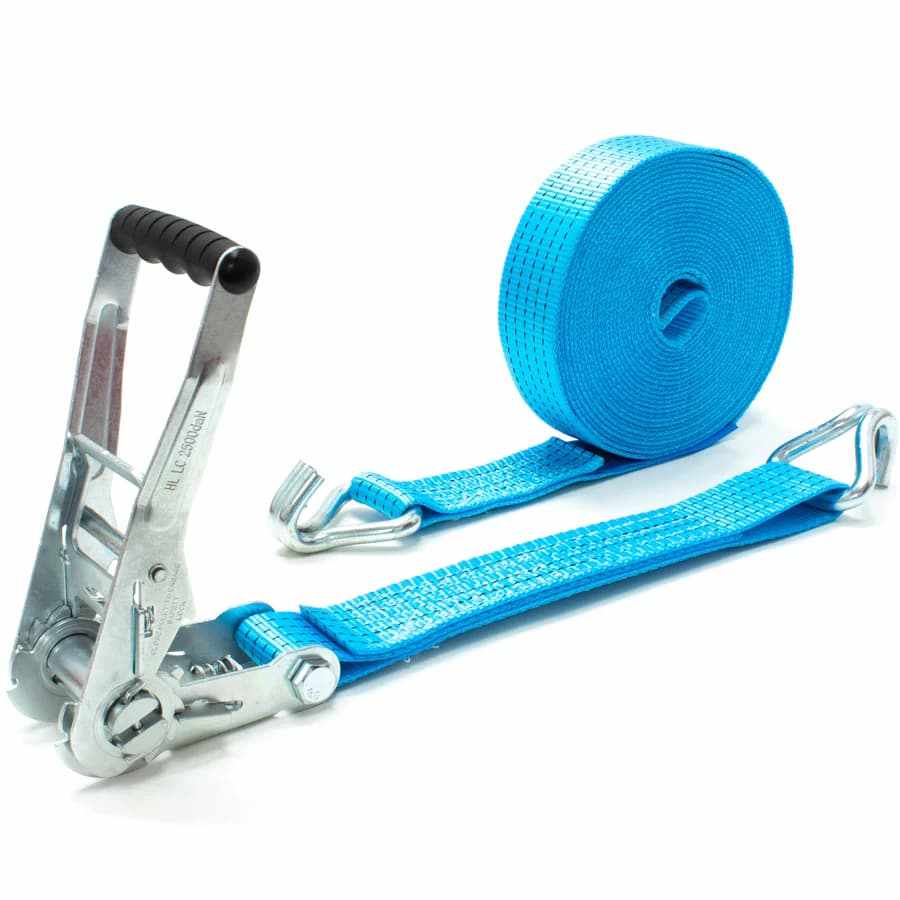
Cargo straps, often referred to as tie-down straps, come in various types and materials, each serving a unique purpose. The most common types include ratchet straps, cam buckle straps, and bungee cords. Ratchet straps are known for their ability to provide a high level of tension and security, making them ideal for heavier loads. On the other hand, cam buckle straps offer ease of use and quick adjustments, suitable for lighter cargo.
When selecting the right cargo strap, consider the working load limit (WLL), which indicates the maximum weight the strap can safely handle. It's crucial to choose straps that exceed the weight of the cargo to ensure adequate safety margins. Additionally, pay attention to the material; polyester is commonly used in cargo straps due to its strength and resistance to wear and tear. Understanding these characteristics will enable you to select the appropriate straps for your specific needs, laying a solid foundation for effective cargo management.
Preparing the Load: The First Step Towards Security
Before applying cargo straps, proper preparation of the load is essential. Begin by organizing the cargo in a stable configuration. This means placing heavier items at the bottom and lighter ones on top to prevent shifting during transit. Unevenly distributed loads can create hazards, leading to potential accidents or damage. After establishing a stable arrangement, utilize dunnage or protective padding to fill any gaps between items. This not only cushions the cargo but also minimizes movement, allowing the cargo straps to perform their function more effectively.
Next, identify the anchor points on the vehicle or trailer where the cargo straps will be attached. These points should be strong, stable, and strategically located to ensure an even distribution of tension across the load. Using designated tie-down rings or hooks is advisable, as they are designed to handle the stresses of securing cargo. Proper preparation of both the load and the securing points can significantly enhance the effectiveness of the cargo straps, setting the stage for a secure transport.
Techniques for Securing Your Cargo
Once the load is prepared, the next step involves applying the cargo straps correctly. For ratchet straps, begin by threading the strap through the ratchet mechanism and securing it to the anchor point. Pull the strap tight and activate the ratchet to tighten it further. It’s important to avoid overtightening, as this can damage both the cargo and the straps. A good rule of thumb is to ensure that the cargo is held firmly in place without excessive pressure.
For cam buckle straps, the process is slightly different. Feed the strap through the buckle, pull it tight, and then secure the buckle. Cam buckle straps are particularly user-friendly, allowing for quick adjustments as needed. Regardless of the type of strap used, always inspect the cargo after strapping to ensure that everything is secure and that there is no unwanted movement. This final check can prevent potential disasters during transit and provide peace of mind.
Best Practices for Cargo Strap Maintenance
To ensure the longevity and effectiveness of your cargo straps, regular maintenance is essential. After each use, inspect the straps for any signs of wear, such as fraying, cuts, or corrosion on the hardware. If any damage is detected, it’s crucial to replace the straps immediately to avoid compromising safety in future transports.
Additionally, store cargo straps in a cool, dry place away from direct sunlight, as exposure to UV rays can degrade the material over time. Rolling the straps neatly instead of folding them can also prevent kinks and tangles, ensuring they remain in optimal condition for the next use. By implementing these maintenance practices, you not only extend the life of your cargo straps but also guarantee that they will perform reliably when it matters most.
Legal Considerations and Compliance
When transporting goods, it is essential to be aware of the legal regulations concerning cargo securing. Many jurisdictions have laws that specify how cargo must be secured during transport to prevent accidents. Familiarizing yourself with these regulations helps ensure compliance and can protect you from fines or legal issues.
In addition to legal requirements, it is advisable to follow best practices outlined by organizations such as the Federal Motor Carrier Safety Administration (FMCSA) in the United States. These guidelines emphasize the importance of using appropriate securing methods, regular inspections, and proper training for personnel involved in loading and transporting cargo. By adhering to these standards, you not only ensure the safety of your load but also contribute to the overall safety of road transportation.
Conclusion: The Importance of Proper Cargo Strap Usage
In conclusion, the proper use of cargo straps is a vital component of secure transportation. By understanding the types of cargo straps available, preparing loads effectively, applying securing techniques correctly, and maintaining the straps, you can significantly enhance the safety of your cargo. As the logistics industry continues to evolve, ensuring that you are knowledgeable and compliant with safety standards will keep you ahead of the curve.
For those looking to equip themselves with high-quality cargo straps, consider visiting UK Lifting Store. With a wide selection of durable and reliable cargo straps, you can ensure that your cargo is secured safely and efficiently. Don’t compromise on safety—choose the best for your transport needs!



Write a comment ...