
In the world of towing, the strength and reliability of your equipment can make all the difference. Heavy duty towing straps have emerged as a vital tool for those who require substantial pulling power, whether for recovering vehicles stuck in mud, snow, or for transporting heavy loads. Understanding when and how to use these straps effectively can enhance safety and efficiency, making it crucial for both professionals and everyday users alike.
Understanding Heavy Duty Towing Straps
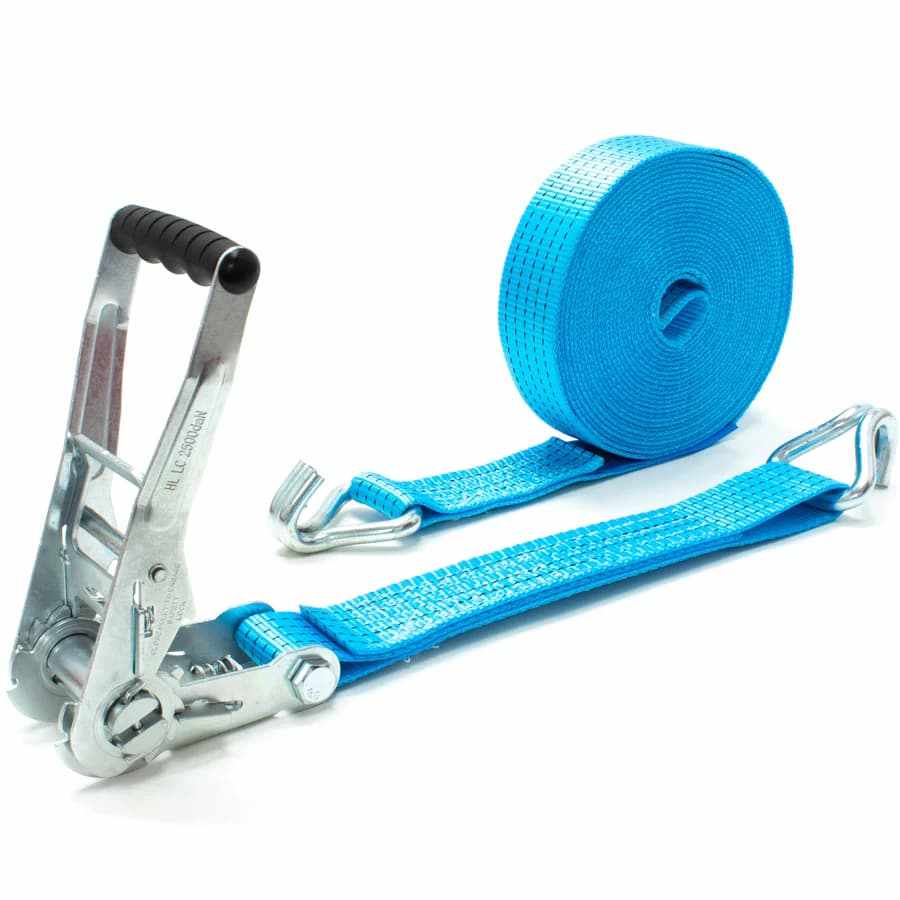
Heavy duty towing straps are designed to withstand significant force, often made from high-strength materials such as nylon or polyester. These straps typically feature a higher tensile strength than standard towing straps, allowing them to be used in more demanding situations. The construction of these straps often includes reinforced stitching and additional features like loops or hooks for secure attachment, ensuring that they can handle the rigors of heavy towing without suffering damage.
When considering the use of heavy duty towing straps, one must first assess the weight and type of the load being towed. For instance, if you are attempting to tow a commercial vehicle or a large trailer, a standard strap may not suffice. The maximum load capacity of heavy duty towing straps can range from several thousand pounds to significantly higher, making them suitable for a variety of applications. This versatility is one of the primary reasons why they are favored in both personal and professional settings.
Situations That Demand Heavy Duty Towing Straps
Vehicle Recovery
One of the most common scenarios for utilizing heavy duty towing straps is vehicle recovery. When a vehicle becomes immobilized due to adverse weather conditions or difficult terrain, the need for a robust towing solution becomes apparent. Heavy duty straps can effectively pull vehicles from ditches, mud, or snow, providing the necessary force without the risk of snapping or fraying. In these situations, it is essential to ensure that the strap is securely attached to both the recovery vehicle and the immobilized vehicle, maintaining a safe distance to avoid injury from potential recoil.
Heavy Equipment Transportation
In the construction and agricultural industries, transporting heavy equipment is a daily necessity. Heavy duty towing straps are invaluable in these situations, as they can secure machinery such as excavators, bulldozers, and tractors during transport. The strength of these straps ensures that heavy loads remain stable and secure, reducing the risk of accidents during transit. It’s important to choose the appropriate length and width of the strap for the equipment to be transported, as this can dramatically affect the overall safety and effectiveness of the towing process.
Off-Road Adventures
Off-roading enthusiasts often find themselves in challenging environments where traditional recovery methods may fall short. Heavy duty towing straps are ideal for off-road recovery situations, such as when a vehicle becomes stuck in sand or mud. The flexibility and strength of these straps allow for quick and efficient extraction, enabling adventurers to continue their journey with minimal downtime. When using heavy duty towing straps in off-road scenarios, it is crucial to assess the surrounding environment and ensure a safe anchor point is available to prevent accidents.
Choosing the Right Heavy Duty Towing Strap
Selecting the appropriate heavy duty towing strap involves considering several factors. First and foremost, one must evaluate the weight capacity of the strap. It is essential to choose a strap that can handle at least 1.5 times the weight of the load to ensure safety and mitigate the risk of failure. Additionally, the length of the strap should be taken into account; longer straps provide more flexibility in positioning, while shorter straps may offer more control.
Another critical aspect is the material of the strap. Nylon straps, for instance, are known for their elasticity, which can absorb shock loads during towing, making them a popular choice for recovery situations. Conversely, polyester straps are less stretchy and offer a more rigid towing solution, which can be beneficial in scenarios requiring precise control over the load.
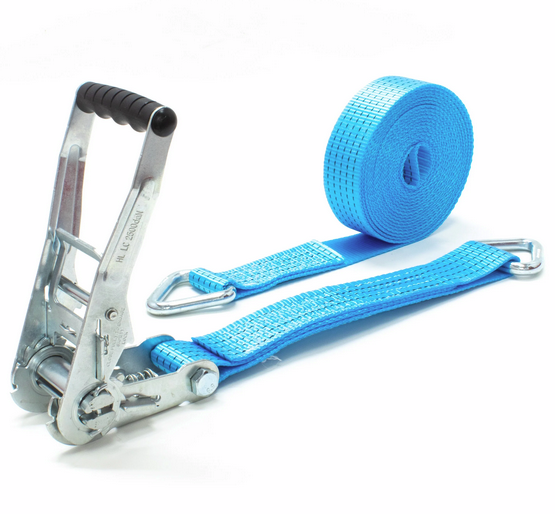
Lastly, it is essential to consider the type of attachments available on the strap. Heavy duty towing straps may come with hooks, loops, or even D-rings, depending on the intended use. Ensuring compatibility with the towing and recovery equipment is vital for a seamless operation.
Safety Precautions When Using Heavy Duty Towing Straps
Safety should always be the top priority when using heavy duty towing straps. Before beginning any towing operation, it is crucial to inspect the strap for signs of wear or damage. A thorough check can help identify potential weaknesses that could lead to failure during use. Additionally, users should ensure that the strap is properly secured to both vehicles and that anchor points are stable and capable of handling the load.
When using heavy duty towing straps, maintaining a safe distance is essential. This distance helps to minimize the risk of injury should the strap break or detach unexpectedly. It’s also advisable to use a spotter during towing operations to monitor the process and ensure that everything is proceeding safely.
Conclusion
In conclusion, heavy duty towing straps are an indispensable tool for anyone involved in towing, recovery, or transporting heavy loads. Their strength, versatility, and reliability make them the go-to solution for various demanding situations. Whether you are an off-road enthusiast, a construction worker, or simply someone who occasionally needs to tow a vehicle, understanding the proper use of these straps is crucial for achieving maximum pulling power safely.
For those looking to invest in high-quality heavy duty towing straps, the UK Lifting Store offers an extensive range of options to meet your needs. Don’t compromise on safety and efficiency—explore our offerings today and ensure you have the best equipment for your towing requirements!


Write a comment ...