Towing vehicles can be a straightforward task, yet it comes with its own set of challenges, particularly when it involves the reliability of towing equipment. Among the various components involved in towing, heavy duty towing straps play a vital role. However, unexpected failures can occur, leading to potentially hazardous situations. This article delves into the intricacies of towing strap failures, exploring the reasons behind them and providing actionable strategies to avert such mishaps in the future.

Understanding Towing Straps
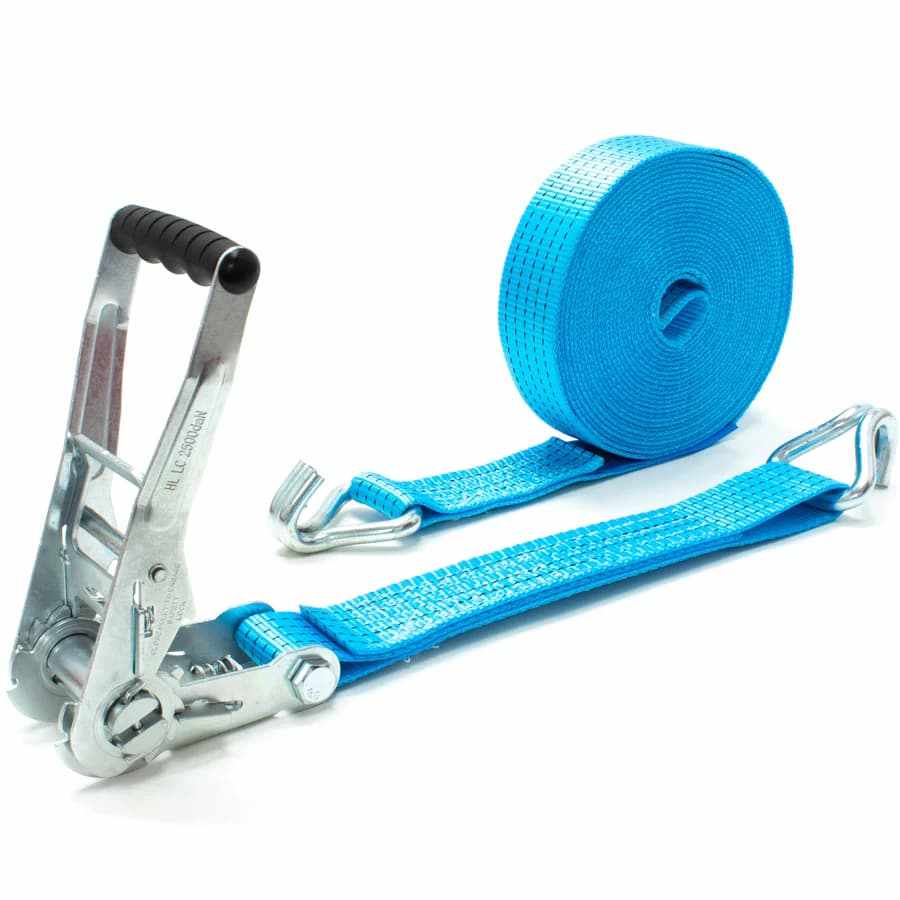
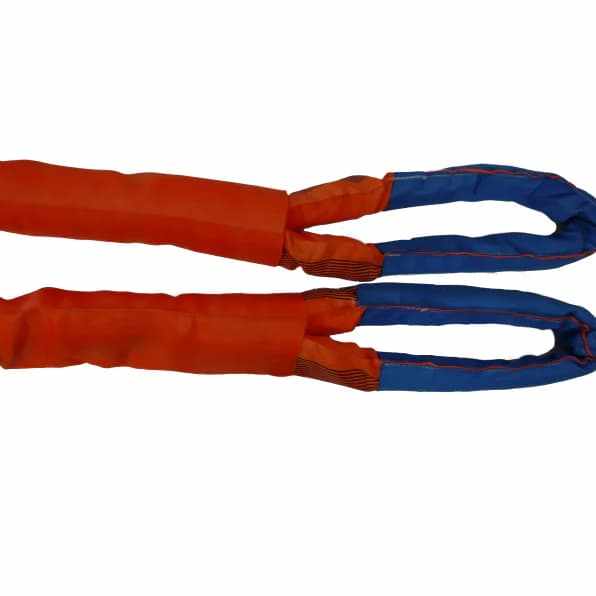
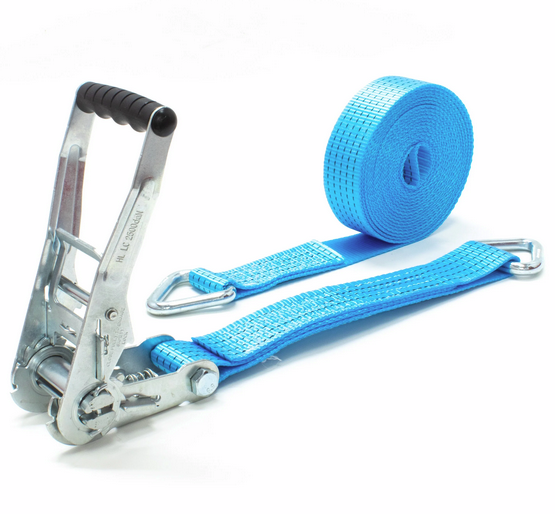
Before diving into the failures, it’s essential to comprehend what towing straps are and their significance in the towing process. Towing straps, particularly heavy-duty towing straps, are designed to secure vehicles during transport, ensuring they do not detach or experience undue stress. Constructed from robust materials, these straps can withstand significant tension, making them indispensable for both commercial and personal towing needs.
However, not all towing straps are created equal. Variations in material quality, design, and load capacity can lead to drastic differences in performance. Understanding the specifications of a towing strap is crucial for selecting the right one for a given situation, thereby reducing the likelihood of failure.
Common Causes of Towing Strap Failures
Material Defects and Wear
One of the primary reasons for towing strap failures is material defects. Straps made from inferior materials or those that have not undergone rigorous quality control can be prone to breaking under stress. Additionally, wear and tear from prolonged use or exposure to harsh environmental conditions can significantly weaken a towing strap. For instance, UV rays from sunlight can degrade the fibers in a strap, making it brittle and susceptible to snapping when under load.
Improper Usage and Overloading
Another leading cause of towing strap failures is improper usage. Towing straps come with specific weight limits, and exceeding these can lead to catastrophic failures. Many users underestimate the weight of the vehicle being towed or fail to account for the additional stress placed on the strap during sudden stops or sharp turns. It is imperative to adhere to the manufacturer’s guidelines regarding load capacity and usage instructions to ensure safety and reliability.
Environmental Factors
Environmental conditions can have a substantial impact on the integrity of a towing strap. Factors such as extreme temperatures, moisture, and dirt can introduce vulnerabilities. For instance, a strap left exposed to rain may absorb moisture, leading to rust or mold growth if metal components are involved. Similarly, extreme cold can make certain materials rigid and more likely to snap under tension. Being mindful of the conditions in which a towing strap is used and stored is essential for maintaining its longevity.
Preventative Measures to Avoid Towing Strap Failures
Regular Inspection and Maintenance
One of the most effective ways to prevent towing strap failures is through regular inspection and maintenance. Before each use, it is advisable to thoroughly examine the strap for any signs of damage, such as fraying, cuts, or discoloration. If any defects are discovered, it is best to replace the strap immediately rather than risk using a compromised piece of equipment. Regular cleaning can also help maintain the strap’s integrity; dirt and debris can contribute to wear, so keeping the strap clean will prolong its life.
Choosing the Right Strap for the Job
Selecting the correct towing strap is crucial. Users should ensure that the chosen strap meets or exceeds the weight requirements of the vehicle being towed. For heavier vehicles or those that require frequent towing, investing in heavy-duty towing straps designed for high-stress applications is a wise decision. These straps are often constructed from advanced materials that provide better tensile strength and durability, reducing the risk of failure significantly.
Adhering to Best Practices
It is also vital to adhere to best practices during towing to minimize the risk of strap failures. This includes ensuring that the strap is properly secured, utilizing the correct type of knots or clasps, and maintaining a safe towing speed. Sudden accelerations or sharp turns should be avoided as they can place undue stress on the towing strap. Furthermore, ensuring that the towing vehicle is appropriately balanced and that the load is distributed evenly can help in mitigating any additional strain on the strap.
The Importance of Education and Training
Education and training play a critical role in preventing towing strap failures. Towing operators should be well-versed in the equipment they are using, understanding the specifications, limitations, and proper handling techniques. Training programs that focus on safe towing practices can significantly reduce the incidence of failures and accidents. Furthermore, providing resources and manuals that detail the correct usage of towing straps can empower users to make informed decisions, ultimately enhancing safety.
Conclusion
In conclusion, understanding the causes of towing strap failures, such as material defects, improper usage, and environmental factors, is essential for anyone involved in towing. By implementing preventative measures, such as regular inspections, choosing the right straps, and adhering to best practices, the likelihood of failures can be significantly reduced. The importance of education and training cannot be overstated, as they equip users with the knowledge necessary to ensure safety.
For those looking for reliable, high-quality towing equipment, UK Lifting Store offers an extensive selection of heavy-duty towing straps. Don’t compromise on safety; choose the best for your towing needs. Visit us today to explore our range of products and ensure your towing operations are secure and efficient!


Write a comment ...